A buyer agrees the price. The container ships. Then a residue test at the destination port fails, and the deal collapses.
By then, nothing can be fixed. The crop season is already over.
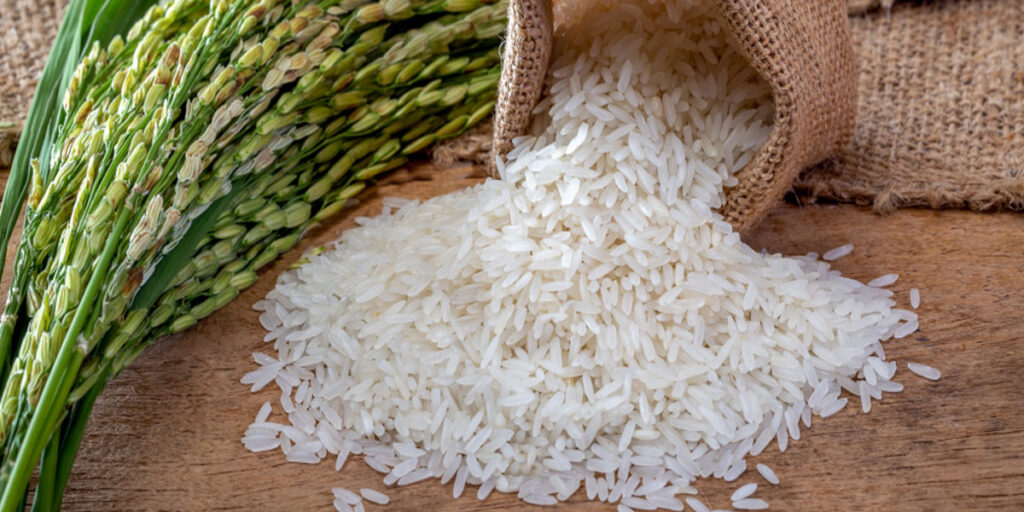
India does not have a rice problem. India has a proof problem.
We grow rice at scale. Our mills process it well. Our exporters know how to sell. But global buyers now ask one question that changes everything:
“Can you prove how this rice was grown?”
Spray records. Harvest intervals. Pesticide residue within legal limits. A supply chain that can be traced and audited. If these do not match the importing country’s rules, months of work lose value in a single lab report.
Export risk does not originate at the port. It originates in the field.
One unplanned spray. One missed record. One harvest taken before the correct waiting period. Testing can detect the problem later. Testing cannot reverse it.
This is why residue compliance is becoming India’s real export advantage – not as a label, but as a procurement requirement.
The EU enforces legal Maximum Residue Levels (MRLs) for pesticides in food. APEDA publishes residue testing requirements for EU-bound rice. These are not future rules. They already decide which shipments clear and which are rejected.
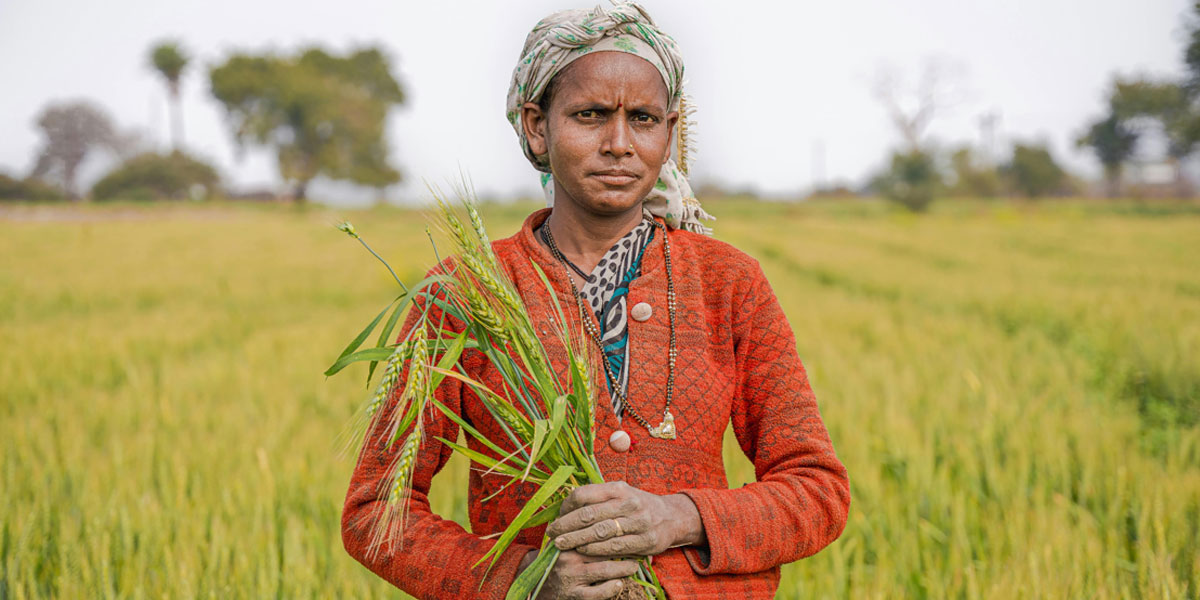
For nearly 15 years, we have worked in the field — alongside farmer teams across Bidar, spanning roughly 1,500 farmers and 5,000 hectares.
That work taught us one thing: compliance is built at the field level, before the crop is grown — not checked after it is harvested.
At Agrythm, we help build farmer clusters where spray decisions, harvest timing, and records are aligned to the buyer’s market from day one. The goal is simple: rice that clears procurement because it was grown to clear it.
India has the rice. India has the farmers. India has export strength.
What buyers need now is proof.
If you are planning MRL-compliant rice procurement, Talk to Agrythm about building an export-ready farmer cluster for your next cycle.