Many people think export risk begins at the port, in the lab, or when a buyer asks for documents. But anyone who has worked closely with agriculture knows the truth: export risk begins much earlier.
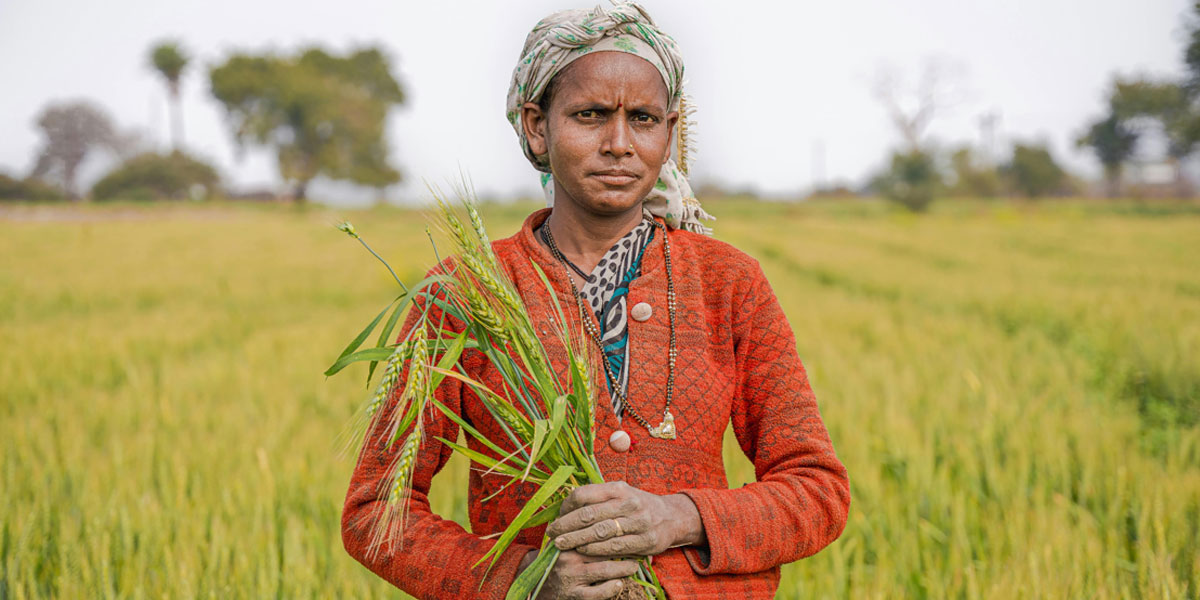
It begins in the field.
A wrong pesticide, a delayed spray, poor advisory, pest pressure, weather stress, or lack of crop-level visibility can quietly become a major export problem weeks later. By the time the shipment is packed, tested, or inspected, the exporter may already be carrying a risk that started during the crop cycle.
This is one of the biggest pain points in Indian agri exports. Exporters are expected to meet international standards, but they often do not have enough early visibility into what is happening at the farm level. Farmers also face pressure. They are trying to protect yield, manage disease, and respond to local conditions. Without better guidance and intelligence, both sides carry risk.
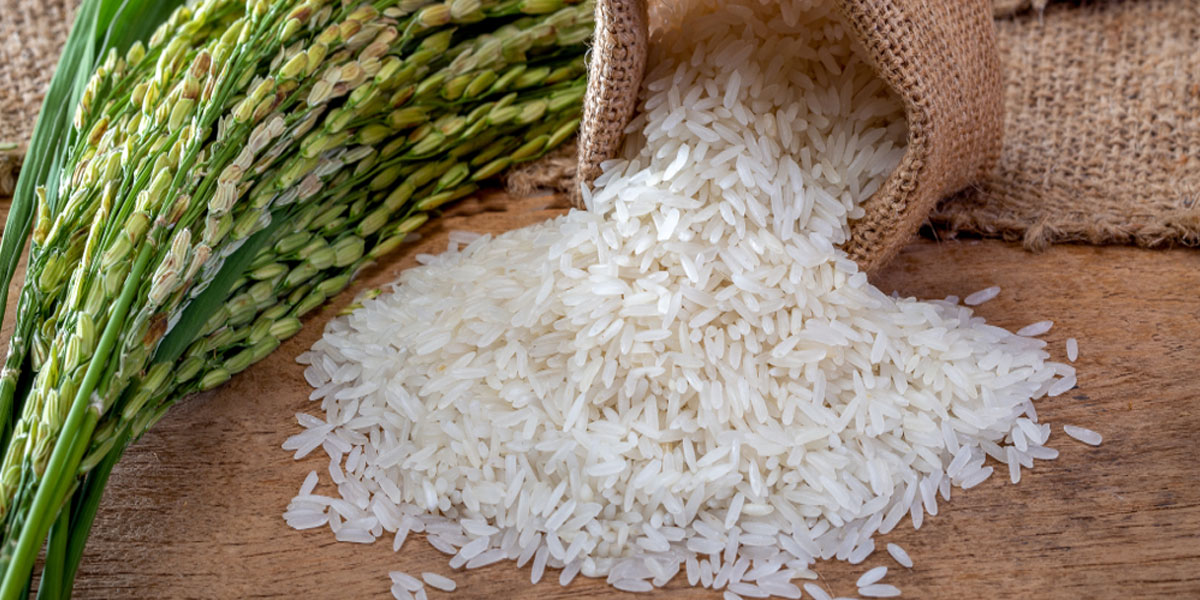
For rice exports, APEDA notes that export to EU member states and other European countries is subject to Certificate of Inspection requirements, and country-specific MRL details are available through APEDA’s quality resources. Source: [APEDA Rice Export Requirements]
This tells us something important. Compliance is no longer a final paperwork activity. It is becoming a full supply chain responsibility.
At Agrythm Technologies, we believe India’s exporters need support before the problem becomes expensive. The goal is not to react after rejection. The goal is to reduce uncertainty before harvest, before procurement, and before shipment.
This is not only about protecting one consignment. It is about protecting India’s reputation in global food markets. One rejection affects trust. Repeated rejection affects pricing, relationships, and market confidence.
If India wants to become a trusted food export nation, we must shift from late-stage testing anxiety to early-stage crop intelligence. That shift can de-risk exporters, protect farmers and help India build a stronger position in global agriculture.